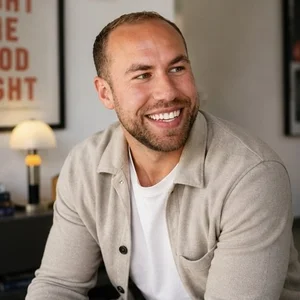
1. How frequently do you get around Evanston by bike, on foot, or riding transit? How does your experience shape your outlook on transportation and safe street issues?
I am not a cyclist, but I walk regularly and drive a very small 2017 Fiat. I understand that our streets must work safely for everyone. I founded Bike the Ridge, an annual event when we close Ridge Avenue to motor vehicles and open it to bicyclists. Bicycles are otherwise prohibited on Ridge Avenue at all times. Bike the Ridge has become a wonderful community tradition. During my years on the City Council, I also helped introduce traffic calming measures, including speed humps and traffic circles, with my ward being the first to have them installed. I believe safe streets require practical solutions that recognize the needs of pedestrians, cyclists, motorists, and neighborhoods.
2. It’s been over a decade since Evanston’s 2014 Bike Plan, and our bike network remains disconnected and not safe enough, especially for kids getting to and from school. The City is now drafting a new Bike Plan, expected in mid-2027.
How would you assess the 2014 plan and what the City has delivered since? What has worked, what hasn’t, and what would you like to see in the new plan?
The 2014 Bike Plan helped move Evanston toward a more bicycle-friendly community, but not every improvement has worked as intended. I have concerns about protected bike lanes on residential streets where people park in front of their homes. Depending on the design, passengers may exit into moving traffic or open car doors into the path of cyclists. Neither is safe.
The new plan should focus on connecting existing routes, improving safety around schools, and carefully evaluating street conditions before deciding where new bicycle facilities belong. I support safer cycling, but the goal should be improvements that actually work for everyone using the street.
3. Planned multimodal projects like the Chicago Avenue corridor have been delayed for years, and the deployment of traffic calming and crosswalk improvements has also been slow.
What would you do to accelerate progress? And when projects run into friction or tradeoffs, like curb space, how would you balance them?
After 34 years serving on Evanston's Administration and Public Works Committee, I know that no two infrastructure projects are alike. Delays can result from funding, engineering challenges, utility work, weather, or unforeseen conditions. We need to understand the reasons before assuming a project can simply be accelerated.
I have long supported traffic calming and helped bring the first speed humps and traffic circles to my ward. When projects involve competing uses of street space, the city must consider safety, access, and the needs of the people affected. A mayor can advocate for priorities and work with the Council and staff to move projects forward, but cannot promise that every complicated project will proceed on a preferred timetable.
4. Evanston is one of the most transit-rich suburbs in the region. Even so, frequency, reliability and station accessibility still fall short for many.
While Evanston does not have direct control over transit agency decision-making, what specific changes would you want to see for improved bus and rail service, and what can the city and the mayor do to help to advance them?
Evanston is fortunate to have CTA, Metra, and Pace service, but reliability, frequency, and accessibility need improvement. Only three of our nine Purple Line stations are accessible. That is a serious problem, and I would advocate for making the remaining stations accessible.
Years ago, I led an effort to establish a Yellow Line stop in Evanston. The Skokie Swift travels the entire length of the 8th Ward, which I represented for 34 years, without stopping. We held neighborhood meetings and undertook engineering work, but costs ultimately prevented the project from proceeding.
I would still like to see that station become a reality. As mayor, I would work with the CTA and regional officials to advance accessibility improvements, better service, and funding opportunities.
5. Where people live and how they move through Evanston are inseparable issues.
How should Evanston’s new zoning code shape housing in relation to transit, jobs, and daily needs, and how would those changes address both housing and transportation challenges?
Evanston is a community of approximately eight square miles, with very little vacant developable land. We are already well served by CTA, Metra, and numerous bus routes. Much of the area around our train stations is already developed, including substantial residential density.
Our new zoning ordinance must recognize these realities. Opportunities for additional housing will largely involve redevelopment of existing properties, and each location presents different circumstances. We should consider transportation access, existing infrastructure, surrounding neighborhoods, and whether proposed development is economically feasible.
I intend to take an active role in the zoning rewrite and make certain that residents, businesses, and property owners have a meaningful opportunity to participate. We need a zoning ordinance designed for the Evanston we have.
6. With 50% of Evanston’s emissions coming from our 500 largest buildings, implementing the Healthy Buildings Ordinance is critical.
As expert committees draft rules for a 2027 City Council vote, how will you navigate pressure from major institutions like Northwestern to maintain strong, enforceable standards without driving up costs for tenants and equity-prioritized properties?
The Healthy Buildings Ordinance is now law. The challenge is implementing it without creating serious unintended consequences.
I have spoken with numerous Evanston property owners, nearly all of whom oppose the ordinance because of its anticipated financial impact. Supporters predict long-term energy savings, but those savings do not necessarily offset the substantial upfront costs. I am concerned about increased rents, reduced investment, and the possibility that some properties could become financially unsustainable.
As the remaining implementation rules are finalized, I would insist on a careful examination of compliance costs, financing options, reasonable timelines, and hardship provisions. Large institutions and smaller property owners face different circumstances.
I support reducing emissions, but we must make certain that the requirements are achievable and that enforcement does not create more problems than it solves.
7. Adopted in January 2026, Evanston’s Environmental Equity Investigation, or EEI, documented how past city decisions disproportionately burdened Black and brown neighborhoods with inequities such as the Waste Transfer Station.
Since implementing the EEI requires actions well outside the Sustainability Department—specifically across Parks and Recreation, Public Works, and Community Development—how will you ensure alignment and accountability across all city departments on EEI recommendations?
The Environmental Equity Investigation raises issues that require cooperation across city departments, not simply action by the Sustainability Department.
The Waste Transfer Station is a particularly troubling example. It has operated for more than 40 years, and the neighborhood around it has changed considerably. I believe we need a clear explanation of why it remains at this location, what legal and regulatory limitations exist, and whether relocation is a realistic possibility.
As mayor, I would work with the City Manager and Council to establish clear departmental responsibilities for addressing the investigation's recommendations and require regular progress reports. Residents deserve to know what actions are being taken, what obstacles exist, and what results are being achieved.
8. Earth has lost over half its forest cover and nearly 70% of wildlife populations in recent decades, making urban ecosystems vital for biodiversity.
What is your vision for transforming Evanston’s public lands—like our lakefront, parkways, and unprogrammed parks—into native habitat assets, and how will your administration empower residents to support biodiversity on private property?
Evanston has beautiful parks, a remarkable lakefront, and public spaces that serve many purposes. I support incorporating native plants and natural habitats where appropriate, while respecting recreational uses and the responsibility to maintain these spaces.
Residents should be free to choose native landscaping on their own properties, and the city can provide information and guidance to those interested. But native landscaping, like any other landscaping, requires attention and maintenance. Encouraging biodiversity should not mean accepting neglected or overgrown properties.
We can support environmental improvements while respecting property owners, their neighbors, and the many ways people use our public and private spaces.
9. Many climate solutions—from energy efficiency and transit to shade trees, local food, and waste reduction—are also immediate affordability solutions.
As Mayor, which of these solutions will you prioritize, and what concrete steps will you take in your first 100 days to make progress?
I am interested in environmental improvements that also reduce everyday expenses for residents, particularly energy efficiency, reliable public transportation, and waste reduction.
I am not reluctant to act, but it is difficult to identify specific first-100-day priorities months before taking office. I am not currently serving on the Council and do not know what initiatives the interim mayor, Council, and staff will have advanced by May 2027.
I intend to be diligent in reviewing the status of existing programs, their costs, and their results. I also look forward to hearing from Climate Action Evanston about its priorities and progress when I take office. With that information, I will be prepared to work with the Council and staff on practical next steps.
10. When residents become members of Climate Action Evanston, they pledge to help accelerate climate-wise behavior in our community. Our last open question asks for your personal pledge.
Young people will live with the results of the decisions we make today, and they’re watching how adults lead. What climate pledge will you make in your own personal life, outside your duties as mayor, and how will you show our youth that you’re keeping it?
Recycling has been a personal commitment of mine for decades. I served for several years as Evanston's mayoral-appointed representative on the original Board of Directors of the Solid Waste Agency of Northern Cook County (SWANCC). I was also a strong advocate and leader in developing Illinois' first municipal recycling facility on Oakton Street in Evanston.
I remain a dedicated recycler, but I believe we can do much better as a community.
My pledge is to renew my involvement in improving recycling in Evanston. I want to know how much of what we collect is actually recycled, what prevents us from doing better, and how we can improve participation and results.
I would welcome young people's involvement in this effort. Recycling is something every generation can work on together.